

When we sit down with families in Richmond, the conversation often turns to legacy. You’ve spent a lifetime building your assets, serving your community, and caring for your family. But in recent years, a shadow industry has emerged that threatens that legacy. One that doesn’t rely on breaking into your home, but rather on breaking into your trust.
According to the FBI’s 2024 Elder Fraud Report, seniors over the age of 60 lost $4.9 billion to fraud in a single year, with the average victim losing nearly $83,000. These numbers represent retirement funds vanished, inheritances stolen, and the dignity of our older population under attack.
At Elder Law Guidance, we believe that knowledge is the strongest armor. We help you use evaluation tools designed to help you understand the psychological warfare scammers use, identify the red flags before a dollar leaves your account, and protect seniors’ assets against these evolving threats.
Key Takeaways
- Scammers target seniors by exploiting urgency, authority, and “too-good-to-be-true” promises.
- The most common schemes often push unusual payment methods (gift cards, crypto, wires) and secrecy to prevent verification.
- Prevention and recovery hinge on basic protections and fast action if scammed (stop contact, secure accounts, and report).
Why Scammers Target Seniors
Scammers target seniors because you likely have excellent credit, significant savings, and, most importantly, you were raised in a generation that values politeness and trust.
Scammers weaponize three specific psychological triggers:
- Phantom Fixation: They dangle a prize or a return on investment that looks real but doesn’t exist.
- Urgency: They demand immediate action (“You must wire the money within an hour”) to bypass your logical critical thinking.
- Authority: They impersonate police, the IRS, or tech professionals to exploit your respect for institutions.
Understanding these triggers allows you to pause and evaluate the situation objectively. If an interaction feels emotionally charged or rushed, it is almost certainly a trap.
4 Financial Scams Explained
Here is how to identify the most prevalent financial threats currently targeting Kentucky families.
1. The Government Impersonation Scam
This is often the most terrifying for law-abiding citizens. You receive a call or text claiming to be from the IRS, Social Security Administration, or Medicare. The script usually involves a threat: “Your Social Security number has been suspended due to criminal activity,” or “You owe back taxes and will be arrested immediately.”
The Red Flags:
- Method of Contact: The IRS and Social Security Administration never initiate contact via phone call, text, or email for unpaid bills. They use U.S. Mail.
- Payment Demands: No government agency will ever demand payment via gift cards, cryptocurrency, or wire transfer.
- Threats: Legitimate agencies do not threaten immediate arrest or deportation over the phone.
2. The “Grandparent Scam” (Family Emergency)
Scammers scour social media to find details about your grandchildren. They then call, posing as the grandchild or their “lawyer,” claiming they are in trouble, often arrested in another country or hospitalized, and need money immediately.
The Red Flags:
- Voice Discrepancies: They may claim their voice sounds different due to a “bad connection” or “broken nose.”
- Secrecy: They will beg you, “Please don’t tell Mom or Dad, they’ll kill me.” This isolation tactic is designed to prevent you from verifying the story.
3. Tech Support Fraud
A pop-up appears on your computer screen claiming you have a virus and must call a support number immediately. Alternatively, you receive a call from “Microsoft” or “Apple” claiming your account is compromised. In 2024, this sector alone accounted for nearly $1 billion in losses.
The Red Flags:
- Unsolicited Contact: Real tech companies do not monitor your computer for viruses remotely or call you to fix them.
- Remote Access: They will ask to take control of your computer. Once inside, they can access your banking login information.
4. Romance and Companionship Scams
These are the most heartbreaking because they exploit loneliness. Scammers build relationships over months on dating sites or social media. Once trust is established, a crisis occurs that requires you to send money.
The Red Flags:
- Distance: They always have a reason they cannot meet in person (military deployment, working on an oil rig, living overseas).
- Escalation: The relationship moves to “love” very quickly, followed rapidly by requests for financial help.
The Impact of AI and Social Media
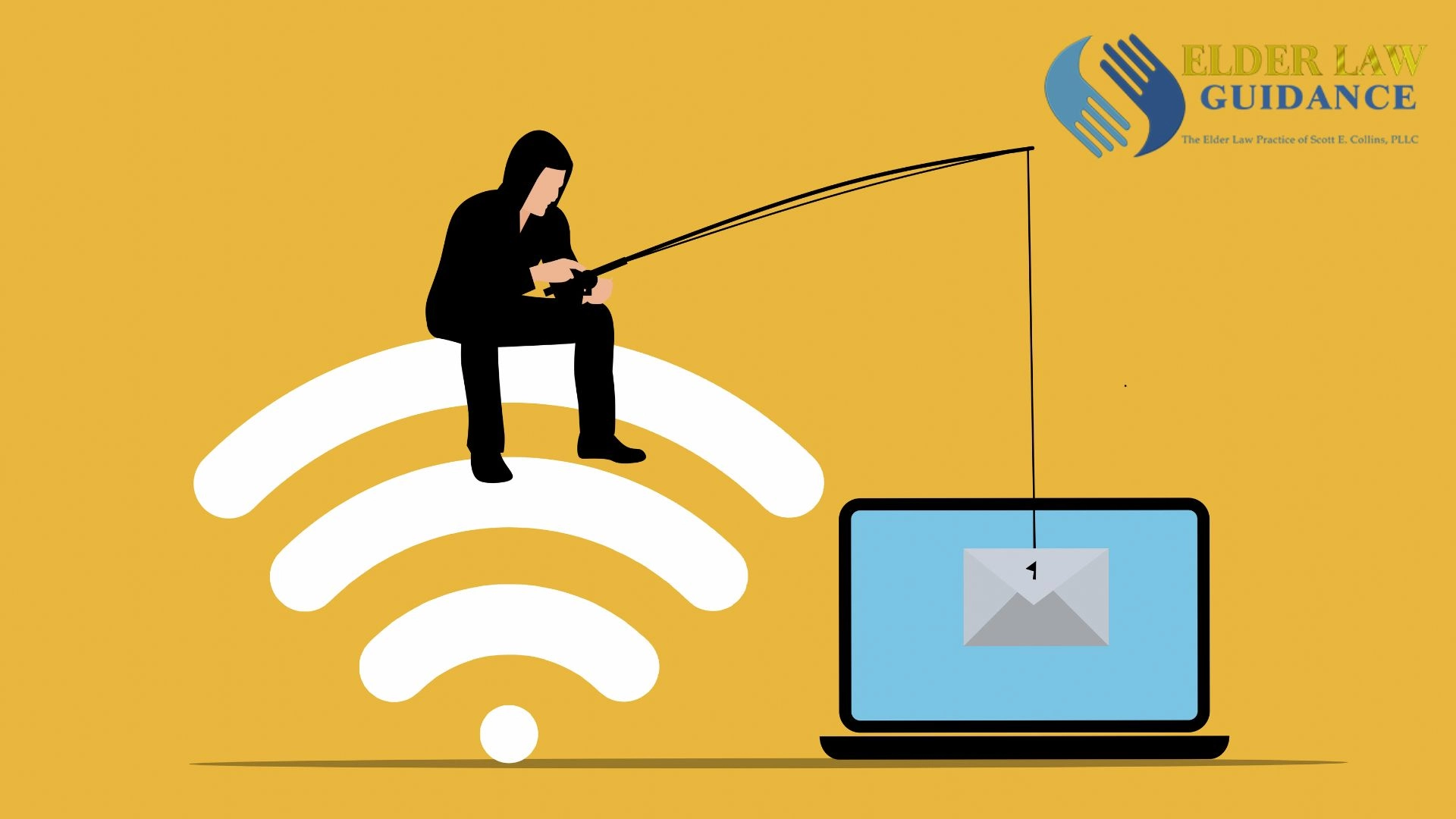
The FTC reports that social media is now the leading platform for initiating elder fraud. Even more concerning is the rise of Artificial Intelligence (AI).
Scammers can now use “voice cloning” technology. By taking a 10-second audio clip of your loved one’s voice from a social media video, they can generate a synthetic voice that sounds exactly like them. When that voice calls you crying for help, it bypasses your skepticism entirely.
Make sure to establish a “Family Code Word.” If a family member calls claiming to be in trouble, ask for the code word. If they (or the AI) cannot provide it, hang up and call their personal cell phone directly.
Your Asset Protection Checklist
We recommend a proactive approach to shielding your finances. Just as you would with elder financial abuse legal representation, having a plan in place before a crisis occurs is vital.
- Filter Your Calls: Utilize call-blocking apps or services provided by your carrier to silence unknown numbers.
- Shred Everything: Dumpster diving is still a common way scammers get the information needed for identity theft.
- Credit Freeze: Freeze your credit with the three major bureaus (Equifax, Experian, TransUnion). This prevents anyone from opening new accounts in your name.
- The 24-Hour Rule: Never make a financial decision or transfer funds on the same day the request is made. Talk to a trusted family member or attorney first.
What to Do If You’ve Been Scammed
If you or a loved one has fallen victim, shame is the enemy. Scammers count on your embarrassment to keep you silent. Silence only helps them.
- Stop Contact: Hang up and block the numbers.
- Secure Accounts: Contact your bank and credit card companies immediately to flag transactions and close accounts.
- Report It: File a report with the FBI’s Internet Crime Complaint Center (IC3) and the FTC.
- Legal Recourse: In instances of significant loss, or where financial institutions failed in their duty to protect you, seeking madison elder abuse lawyer guidance (or local counsel in your specific area) may be necessary to explore recovery options.
Fortifying Your Finances
Dealing with modern fraud requires vigilance, but you don’t have to do it alone. The difference between vulnerability and security often comes down to having a trusted advisor in your corner.
At Elder Law Guidance, we look at the whole picture, from estate planning to asset protection strategies that shield you from both scammers and systemic risks.
Don’t wait for a crisis to evaluate your safety. Contact us today to schedule a consultation. Let’s make sure your legacy ends up exactly where it belongs.