

At Elder Law Guidance, we help Kentucky families set up Special Needs Trusts that protect a loved one’s SSI and Medicaid instead of putting those benefits at risk.
We have guided Kentucky families through this since 2015, hold a 4.9-star rating across 115+ reviews, and have been named to Super Lawyers Rising Stars every year since 2021.
A Special Needs Trust holds money for your child without the government counting it as your child’s own asset. Because SSI (Supplemental Security Income) and Kentucky Medicaid limit how much a person can own in their name, a direct gift, an inheritance, or a life insurance payout can stop benefits cold.
Money placed in the trust can pay for things benefits do not cover, like therapy, dental work, a vehicle, or a phone bill, while SSI and Medicaid waiver services keep going.
What Kentucky Clients Say About Elder Law Guidance
“They calmed all fears that I had during a traumatic time with my elder mother.” – Stacy B.
Families usually arrive scared. Steady guidance changes that.
“No pressure, customer focused and understanding” – Eric B.
You can ask questions here without being pushed into anything.
“Scott sat down with us and made us feel very comfortable. We went over the options we had and the things he could help us with. There was no pressure.” – V.F.
Options come first, so you can see what actually fits your family before deciding anything.
“Very patient to explain the ins and outs of elder law” – Greenhat C.
SSI and Kentucky Medicaid rules get explained in plain words, not legal terms.
Our Special Needs Trust Services in Kentucky
- Special Needs Trust Attorney
- First-Party Special Needs Trusts
- Third-Party Special Needs Trusts
- Pooled Special Needs Trusts Planning
- Trust Drafting and Funding
- Trust Administration
- Trustee Guidance
- Medicaid and SSI Planning
- Inheritance Planning
- ABLE Account Planning
- Trust Modification
- Trust Termination
- Special Needs Estate Planning

Get Trusted Legal Support Today
For straightforward legal advice and representation, contact Elder Law Guidance. Call (859) 544-6012 to schedule your consultation.
What Is the Difference Between a Special Needs Trust and a Other Types of Regular Trusts in Kentucky?
Other types of A regular trusts may be used to manage property, control how an inheritance is distributed, avoid probate, or support broader estate planning goals.
A Special Needs Trust is specifically structured to provide financial support for a person with a disability while helping preserve eligibility for means-tested government benefits such as Medicaid and Supplemental Security Income (SSI).
This distinction matters because receiving an inheritance or other assets outright can affect eligibility for certain public benefits. A properly structured Special Needs Trust can instead hold those assets for the beneficiary and pay for permitted expenses that supplement the assistance they already receive.
Kentucky families may use different types of Special Needs Trusts depending on where the money comes from. A third-party trust, for example, can be funded by parents or other family members as part of their estate plan, while a first-party trust holds assets belonging to the individual with special needs.
The funding source, trust terms, and applicable benefit rules can affect how the trust must be established and what happens to remaining assets after the beneficiary’s.
Why Choose Elder Law Guidance in Kentucky
Education Before Paperwork
We explain what a Special Needs Trust is before any document is drafted. A Special Needs Trust is a legal account managed by someone you choose, holding money for your child’s extra needs so it never counts as your child’s own resource.
Free Educational Webinars
You can attend a webinar about trusts, Medicaid, and long-term care planning before you hire us. Many Kentucky families attend once, ask a question, and decide from there.
Trustee Decisions Explained Clearly
The 2024 SSI individual federal benefit rate is $943 per month, and recipients must keep countable resources below $2,000. Every distribution a trustee makes can affect eligibility, and we walk trustees through what the trust can pay for and what it should not. never pay directly.
Distance Is Not a Barrier
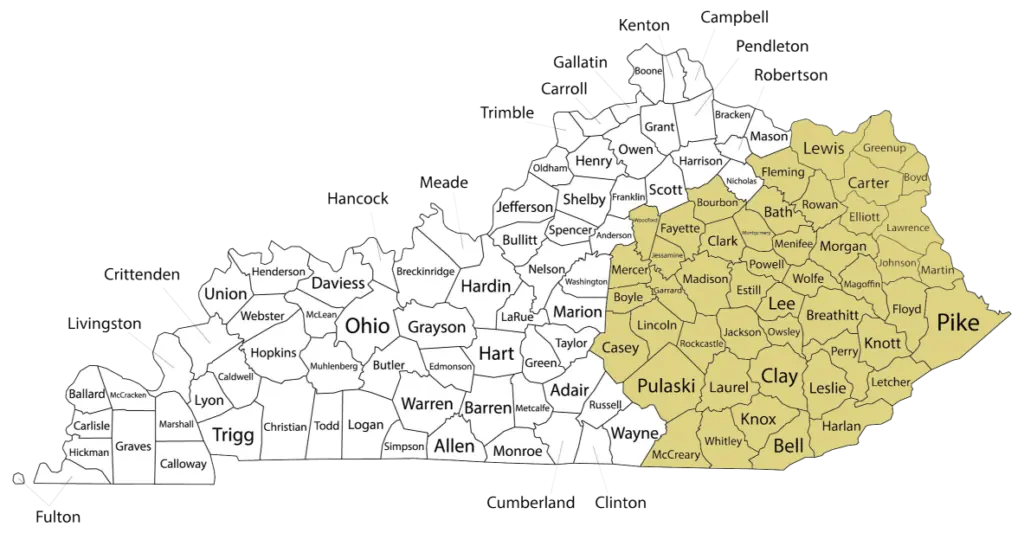
Families in eastern and western Kentucky work with us by phone and video. You do not need to drive to Richmond to get answers.
A Steady Record Kentucky Families Can Check
Elder Law Guidance opened in October 2015 and holds a 4.9-star rating across 119 Google reviews. Our attorney has been named to Super Lawyers Rising Stars from 2021 through 2025.
Built on Service
Built on military and ministry values, our team keeps you updated rather than leaving you wondering. If a special needs plan is not the right fit for your family, we will say so.
Can a Parent Create a Special Needs Trust Inside Their Will?
Yes. A parent can include provisions in their will that create a Special Needs Trust for a child or other beneficiary with a disability. This is commonly known as a testamentary Special Needs Trust because the trust is created and funded after the parent’s death through the terms of the will.
Instead of leaving an inheritance directly to the beneficiary, the assets are directed into the Special Needs Trust. A trustee then manages those funds and makes distributions according to the trust’s terms. When properly structured, this can allow the inheritance to supplement the beneficiary’s needs without unnecessarily interfering with eligibility.
One important consideration is that assets passing through a will generally go through probate before they reach the trust. Depending on the family’s circumstances, creating and funding a Special Needs Trust during the parent’s lifetime may provide greater flexibility or simplify how assets eventually transfer.
Our Special Needs Trust Process for Kentucky Families
1. Free first conversation or webinar
Call us or join one of our free educational webinars. You will learn how a Special Needs Trust works before you commit to anything.
2. Listening and gathering the facts
We ask about your child, their disability, what they receive now, and what you own. Phone, video, and mail work fine if you live hours from Richmond.
3. Benefits review
We look at your child’s current SSI, Kentucky Medicaid, and any waiver services to confirm which rules apply and whether an inheritance or life insurance payout would cause a problem.
4. Choosing the right option for your family
We explain first-party trusts, third-party trusts, and pooled trusts run by a nonprofit. If a lower-cost option fits your family better, we will say so.
5. Drafting and plain-language review
We write the trust to meet federal and Kentucky standards, then walk you through it in everyday words. Nothing gets signed until you understand it.
6. Signing and funding
The trust is signed, witnessed, and notarized, and we show you how to name it correctly on your life insurance and retirement accounts. Funding it wrong is the most common mistake we fix.
7. Support after the signing
We stay available to your trustee for questions about distributions, benefit reviews, and changes in your child’s situation.
Types of Special Needs Trusts and Which One Is Right for You?
| Type of Trust | Typically Used When | Key Consideration |
| —– | —– | —– |
| First-Party Special Needs Trust | The person with special needs already owns the assets, such as an inheritance, settlement, or personal savings | May help preserve Medicaid or SSI eligibility, but remaining funds may be subject to Medicaid repayment after death |
| Third-Party Special Needs Trust | Parents, grandparents, or other family members want to provide for a person with special needs | Funded with someone else’s assets and can generally direct remaining funds to other beneficiaries without Medicaid payback |
| Pooled Special Needs Trust | An individual needs special needs planning but a separately managed trust may not be practical | Assets are placed in an account within a trust administered by a nonprofit organization |
Choosing between them requires more than comparing trust names. The source of the funds, Medicaid and SSI rules, the beneficiary’s long-term needs, and what should happen to remaining assets should all be considered before establishing the trust.
Helpful Kentucky Resources for Trusts
- Social Security Administration Field Offices in Kentucky
- Kentucky Cabinet for Health and Family Services
- Kentucky Department for Community Based Services (DCBS)
- Kentucky Department for Medicaid Services
- Kentucky Division of Developmental and Intellectual Disabilities
- Michelle P. Waiver Program
- Supports for Community Living Waiver Program
- Disability Rights Kentucky
- The Arc of Kentucky
- Kentucky Protection and Advocacy
- Kentucky Commission on Children with Special Health Care Needs
- Kentucky Office of Vocational Rehabilitation
- Kentucky Special Parent Involvement Network (KY-SPIN)
- Kentucky Legal Aid
- Legal Aid of the Bluegrass
Contact Us Today
Elder Law Guidance works from Richmond, Kentucky, and serves families across the state by phone, video, and mail.. Do not Distance is not a reason to put this off another year.
You can also join one of our free educational webinars first. Many families listen, learn, and then decide later.
Reach out through our contact form to schedule a free consultation. We will walk you through what protecting your child’s future actually looks like.